

Why Korea for Laser Skin Treatments?
Korea has become a top destination for korea laser treatment — and for good reason. Dermatology clinics invest heavily in the latest devices, board-certified specialists perform the treatments directly, and prices are significantly lower than comparable procedures in the US, Europe, or Australia.
But with so many laser types available, knowing which one you need before your consultation saves time and helps you ask the right questions. This guide covers the four main categories of korea laser skin treatment, with pricing and practical guidance for international visitors.
The 4 Main Types of Korea Laser Treatment
1. Picosecond Laser — For Pigmentation & Acne Scars
Korea picosecond laser is one of the most requested treatments at Korean dermatology clinics. Using ultra-short pulse widths (trillionths of a second), picosecond lasers shatter melanin particles more efficiently than traditional nanosecond lasers — meaning faster clearance of dark spots with less thermal damage and shorter downtime.
Best for: Freckles, sunspots, post-inflammatory hyperpigmentation (PIH), acne scars, melasma (combined with toning), tattoo removal
Downtime: Mild redness for 1–3 days. Scabbing possible if treating pigmented spots at higher energy.
Sessions: Most pigmentation concerns benefit from 3–5 sessions spaced 4 weeks apart.
For acne scar-specific picosecond protocols, see our Korea Acne Scar Treatment Guide.
2. Laser Toning (Nd:YAG Low-Energy) — For Melasma & Uneven Skin Tone
Laser toning uses low-energy Nd:YAG pulses delivered in rapid succession to gradually reduce melanin without triggering rebound pigmentation — making it particularly effective for melasma, which can worsen with aggressive treatment.
Best for: Melasma, diffuse hyperpigmentation, dull or uneven skin tone, general brightening
Downtime: Virtually none. Mild redness for a few hours.
Sessions: Typically 6–10 sessions for noticeable melasma improvement, with monthly maintenance recommended.
3. CO2 Laser — For Lesions & Deep Resurfacing
CO2 lasers ablate tissue with precision, making them the standard tool for removing benign lesions (moles, warts, seborrheic keratoses, skin tags) and for ablative resurfacing of deep acne scars.
Best for: Mole removal, wart removal, raised scars, deep ablative resurfacing
Downtime: 7–14 days for wound healing after lesion removal. Strict sun avoidance required.
Sessions: Single session for lesion removal; multiple sessions may be needed for extensive resurfacing.
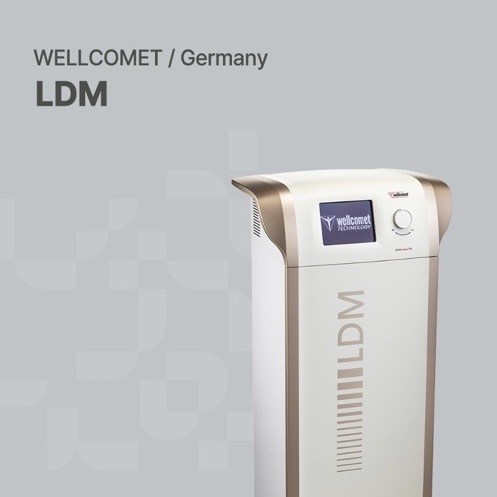 CO2 laser equipment at our clinic
4. Vascular Laser (V-Beam / Pulsed Dye) — For Redness & Broken Capillaries
Vascular lasers target oxyhemoglobin in blood vessels, making them the most effective option for rosacea, persistent facial redness, broken capillaries, and port wine stains.
Best for: Rosacea, facial redness, spider veins, broken capillaries, post-inflammatory redness
Downtime: Mild bruising or purpura possible for 1–2 weeks at higher energies.
Sessions: 2–4 sessions for most vascular concerns.
For pore-specific laser protocols, see our Korea Pore Treatment Guide.
Korea Laser Skin Treatment Price Guide
Pricing varies by laser type, treatment area, and number of passes. The following are reference prices at Oganacell Dermatology Clinic Magok:
| Sessions | Price (KRW, pre-tax) |
|---|---|
| 1 laser type | From 240,000 |
| 2 laser types (combined) | From 330,000 |
| 3 laser types (combined) | From 450,000 |
※ Final pricing depends on the specific device, treatment area, and number of passes. A full quote will be provided during consultation.
Compared to equivalent treatments in the US (typically USD 300–800 per picosecond session) or Australia (AUD 400–700), Korea's pricing offers meaningful savings — particularly for multi-session protocols.
Results and side effects may vary by individual. Please consult before deciding on treatment.
Not sure which laser you need? Send us your skin concerns via WhatsApp or LINE before your trip and our dermatologist will recommend the right treatment.
What to Expect on the Day
Before the treatment: Arrive with clean skin — no heavy sunscreen or makeup. Avoid active retinoids, AHAs, or vitamin C serums for 3–5 days before laser treatments. If you're on any medications (especially photosensitizing drugs), inform the clinic in advance.
During: Most laser treatments are 20–45 minutes. A topical numbing cream is applied 20–30 minutes before higher-energy treatments. The sensation varies by laser type — picosecond feels like a light snap, CO2 is more intense but numbed, vascular laser can feel like a rubber band flick.
After: Sun protection is non-negotiable after any laser treatment. Use SPF 50+ every day and avoid direct sun exposure for 2–4 weeks. For lesion removal, keep the area dry until fully healed.
FAQ
Q. Is korea picosecond laser safe for darker skin tones?
Picosecond lasers are generally considered safer for darker skin tones than older nanosecond systems, due to reduced thermal damage. However, settings must be carefully calibrated for each skin type. A board-certified dermatologist will assess your Fitzpatrick skin type before treatment.
Q. How much does korea laser treatment cost compared to Japan or Singapore?
Korean laser pricing is typically 30–50% lower than Japan and Singapore for equivalent procedures, partly due to higher clinic density and competition. Quality, however, is directly tied to the device used and whether a specialist performs the treatment — not the price alone.
Q. Can I combine multiple laser types in one session?
Yes — combining complementary lasers (e.g., laser toning + picosecond, or CO2 spot removal + V-Beam) in a single visit is common in Korean clinics. Combination protocols are evaluated case by case during consultation.
Q. How soon can I fly after a laser treatment in Korea?
For low-downtime treatments (laser toning, mild picosecond), flying the same day is generally fine. For CO2 or high-energy picosecond with scabbing, 3–5 days before flying is advisable to allow initial healing. Confirm with your clinic based on the specific treatment you receive.
Q. Do I need to do multiple sessions while in Korea, or can I do one session and continue at home?
Many patients do one session in Korea and continue maintenance at home. For multi-session protocols (melasma, acne scars), some patients plan 2–3 visits to Korea spaced 1–2 months apart, while others complete initial sessions in Korea and follow up locally. Discuss your options during your pre-visit consultation.
Oganacell Dermatology Clinic Magok is equipped with PICOLO picosecond laser, Helios 785 pigment laser, V-Beam Perfecta vascular laser, and CO2 laser. All treatments are performed directly by our board-certified dermatologist. Transparent pricing with no hidden fees.
10 minutes from Gimpo Airport. 5-minute walk from Magok-naru Station.
Contact us via WhatsApp or LINE (@ogana_mg) to discuss your treatment plan before you visit.